2026 AST - Time for Science
Conference Location
Halifax West High School (283 Thomas Raddall Drive, Halifax)
Satellite Sessions
Shubenacadie Wildlife Park (149 Creighton Road, Shubenacadie)
Dietary Needs
There will be a morning snack provided with vegetarian, vegan, nut free and GF options.
Keynote Speaker
| Speaker | Ian Tyson |
| Title & Organization | Ian Tyson - Positively Speaking |
See Keynote session for schedule details.
Conference Dates
October 23, 2026 9:00 AM — October 23, 2026 3:00 PM
Registration
Opens: September 17, 2026 7:00 AM
Closes: October 16, 2026 11:59 PM
Limit: 650 registrants
Fees
| Fee | Amount |
|---|---|
| Registration (NSTU Member) | $100.00 |
| Substitute (NSTU Reserve member) | $50.00 |
| Pre-Service Teacher | $50.00 |
| Retired/Associate Member | $50.00 |
| Affiliate/Other | $50.00 |
Payment Methods: Online
Sessions and Workshops
Professional Association Executive and Volunteer Conference Day Tasks
October 23, 2026 8:00 AM — October 23, 2026 4:00 PM
This session is intended for the tasks of ONLY the planning and hosting team(s) of the Professional Association
Keynote session
October 23, 2026 9:00 AM — October 23, 2026 10:15 AM
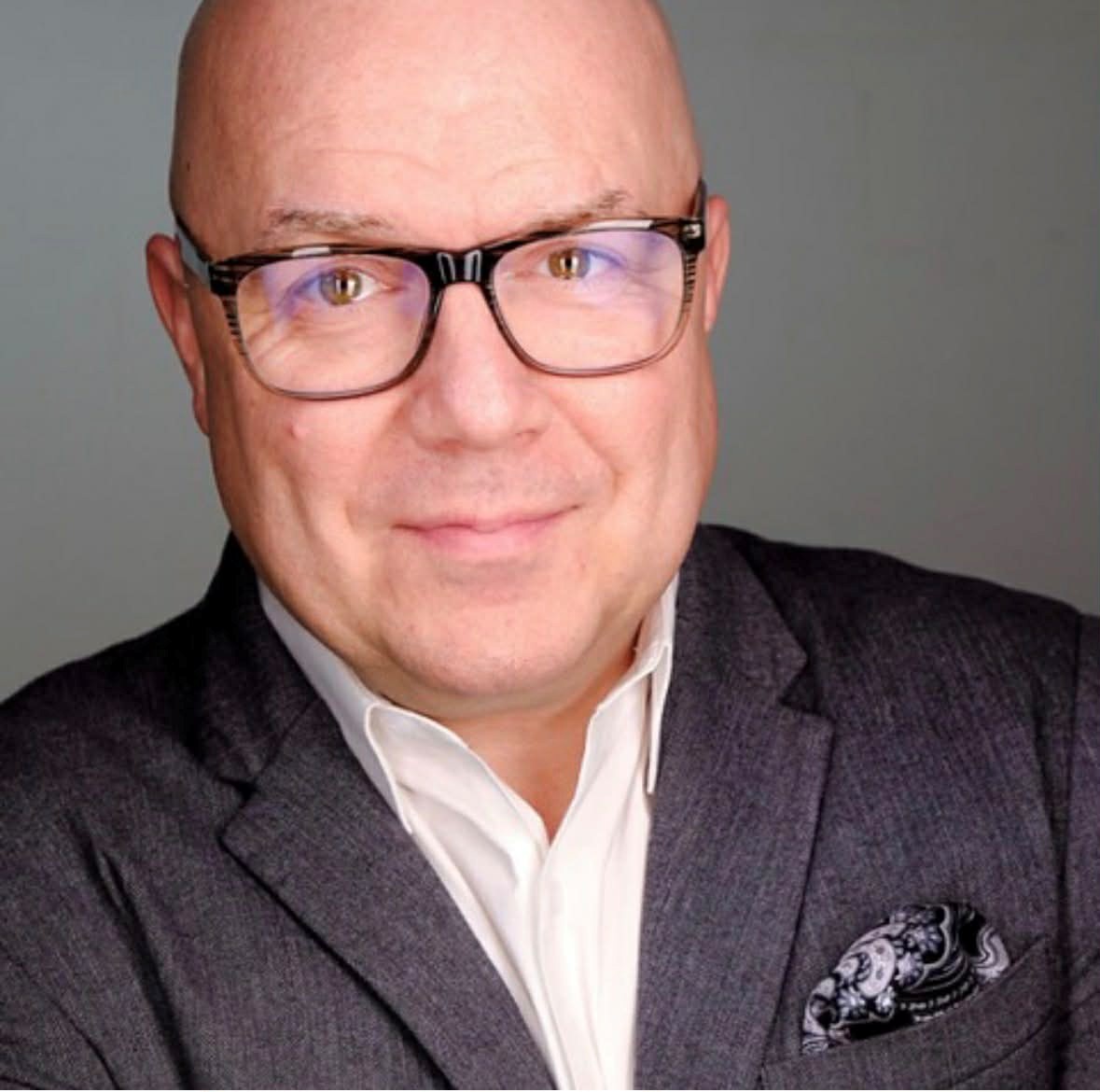
Silver Lining Prospecting” Creating Intentional Infrastructure: Ian’s passion for positivity and resilience shines as he shares hard-won lessons on optimism, gratitude, and finding the “silver lining” in every situation. Using Ian’s signature style of engaging story telling, poignant observations, and relatable tools, this keynote takes you through his “Four Pillars” that can make your team more balanced, focused and driven by intention. Choices, Gratitude, Resilience and Optimism can reframe the way your people look at their work, their purpose and frame every interaction and every day. You will see the 35 years experience on display on stage, as Ian masterfully weaves the personal and the professional together to demonstrate the infrastructure that he has built and tested, that will give your audience a shorthand to organizational success. With heart warming stories, insights into new habits, and positive inspiration, Ian will leave your audience with multiple, actionable takeaways while being entertained throughout.
Morning Session
October 23, 2026 10:45 AM — October 23, 2026 12:00 PM
I will go over some ways Aromatherapy can help people. This includes stress, colds, headaches, sleep, etc. I will discuss using Essential Oils safely and for children as well. Participants will have the option of making a roll on to take home. Presenter: Sunita Pinet (HRCE teacher)
Join fellow IB Biology teachers for a collaborative round table session focused on sharing best practices, lab ideas, and strategies for pacing and curriculum planning. Exchange insights, explore new approaches, and leave with practical ideas to enhance your teaching and support student success. Please bring a laptop. Sample labs will be shared. Presenter: Krista LeBlanc (English Program Consultant grades 7 - 12)
Learn about the many programs and activities that are offered by Agriculture in the Classroom Nova Scotia. We have something for every grade level. Each of our programs and activities have been created alongside the Dept of Education so all are geared to meet outcomes for specific grade levels. All materials are offered free of charge to teachers and will be shipped out directly to your school! Stop in and see how you can use our Monday morning ready programming to bring Agriculture to your classroom! Presenter: Dawn Barrington-Hodgson (Agriculture in the Classroom Nova Scotia)
Imagine a professional learning experience where you don't just listen—you design. In this hands-on, gamified session, educators collaborate to create personalized learning tasks using AI. Together, we’ll tackle real classroom problems like student disengagement and overwhelming tasks. Participants will leave with practical, immediately applicable strategies to support all learners and a deeper understanding of how AI can enhance classroom instruction without replacing the teacher’s role. *Participants will need a personal electronic device as well as access to an AI platform. Ivan Doucet, HRCE JH Teacher
This session is all about making classroom dissections more approachable and less intimidating for both teachers and students. Led by an experienced university lab instructor, this 75-minute, hands-on workshop is designed to build confidence and help you bring anatomy to life - without needing a specialized lab setup. Participants will engage in guided heart dissections and investigate the structure and function of lungs and gills through a comparative anatomy perspective. The session emphasizes practical techniques, classroom-ready strategies, and the use of affordable, easy-to-source specimens. Along the way, we’ll explore ways to support student understanding of structure and function through meaningful, hands-on experiences. You’ll leave with practical skills, adaptable ideas, and the confidence to deliver engaging dissection activities that make anatomy both accessible and memorable for your students. Kathleen Glasgow, StFX University -Sr Biology Lab Instructor and X-Ocean Outreach Program Manager
Neurodivergence is a natural variation in neurofunction, constellating an array of cognitive profiles (autism, ADHD, dyslexia, etc.). Neurodivergent learnings are no longer “deficits to be fixed”. They’re part of existing classroom diversity. Neurofunction is not a “special topic” separate from mainstream education - it is mainstream education. Neurodivergent‑affirming teaching improves learning environments for all students, not just neurodivergent ones. When focus evolves from “What is wrong?” to “What is needed?” classrooms become more accessible and effective learning spaces for everyone to thrive. Come with me to explore what that might look like and how to achieve it. When you let us dance, you make room for us to learn our rhythm. When you dance with us, you show us that our rhythm belongs here too. Will you come listen to how I learned my rhythm? Day MacKay, Student -Saint Mary's University
In this session you will be introduced to Rocks and Minerals Lesson Plans that include a number of fun to learn hands-on activities. Teachers will be guided through small group activities that will review topics on Earth’s Interior, Plate Tectonics, the Rock Cycle, Rock Types and Physical Properties of Minerals. It is anticipated that there will be a generous EdGEO grant that will provide each teacher with a Rocks and Minerals Classroom resource kit complete with a 20 page booklet on how to identify rock and minerals, student workbook, tool kit and USB that will include electronic copies of materials used in the session, including lesson plans. Our intent is for the morning session to focus on the elementary level lesson plan and the afternoon session to focus on junior high and high school levels. Teachers of any grade level are welcome to attend either session. No matter what grade level you teach we will be able to answer any of your questions and assist with the material applicable to your grade level. Louise Leslie, Principal
A yoga class designed to support your well-being; incl. focus on mobility, balance, strength as well as calming the nervous system. There will be a combo of movement, longer held poses and deep stretch. Wear clothing you can move in. Must bring own yoga mat to participate. Laura Gibson, Self employed - Yoga Instructor
In a world where students are constantly consuming digital content, why not empower them to become creators of it? In this hands-on session, we’ll explore the magic of digital storytelling as a powerful tool to boost student voice, creativity, and deeper learning across any subject area. You'll discover easy-to-use platforms and apps that help students bring their ideas to life through video, audio, images, and narration—no fancy tech skills required! Mario Eleftheros, High School Teacher HRCE
This workshop showcases an outreach school program that the Fisheries Museum of the Atlantic has created specifically for Oceans 11 students. The structure of the program gets the students to actively participate in learning about the lobster fishery. This fishery consistency remains to be one of the leading industries in Nova Scotia. The program highlights how much of the lobster fisheries success is steeped in the balance of tradition and sustainability.
Star Finder is an astronomy educational program from Saint Mary’s University made possible through a philanthropic gift by the late David Lane and his wife Michelle Lane that supports teachers across Nova Scotia to deliver astronomy-focused curriculum to their students. The resources focus on the Grade 9 Space Exploration unit of the Nova Scotia curriculum, with cross-links to mathematics and to other grade levels. This workshop will introduce teachers to the free lesson plans and resources that have been created to align with the Grade 9 curriculum. We’ll share how to access the resources, how to use them, and we’ll introduce the connection to the Burke-Gaffney Observatory (Halifax, Nova Scotia) that teachers and their students can access remotely. Mackenzie Hayduk, Saint Mary's University - Star Finder Educational Outreach Officer
This introductory pickleball session will teach players the basic rules, scoring, positioning, and fundamental shots needed to enjoy the game with confidence. Participants will also take part in guided gameplay and mini matches to practice skills in a fun, supportive environment. Phil Goora, HRCE - Educator
Brilliant Blue is a growing competition that now has student teams from 30+ countries taking part. This session will discuss this exciting opportunity for students to get involved with innovation to support the global blue economy and will involve hands-on activities to demonstrate the engineering design cycle in action. Dana Sweeney, HRCE-Teacher
Join us to connect, collaborate, and explore the science of weather with fellow educators in this interactive Grade 5 weather workshop. Participants will experience engaging, hands-on weather experiments and demonstrations designed to spark inspiration for the classroom, preview a new video-based learning resource developed by Discovery Centre and the Nova Scotia Department of Education and Early Childhood Development, and connect with fellow teachers to share ideas, strategies, and approaches for teaching weather concepts. Leave with practical activities, fresh inspiration, and ready-to-use resources to help bring the science of weather to life in your classroom. Jillian Phillips, Discovery Centre - Manager of Science Education
This session will define sustainable development, present the global sustainable development goals, and will demonstrate how this topic can be introduced to students through analysis of the Three Pillars of Sustainable Development; Environmental Sustainability, Economic Sustainability, and Social Sustainability. Claude Goora, a professional engineer and project management professional, is a senior instructor in the Engineering Department at Cape Breton University and is the owner of a project management consulting company. Goora has 24 years of industry experience in environmental engineering, municipal engineering, oil & gas, restoration, consulting, and contract & project management. Claude Goora, Cape Breton University - Senior Instructor
Set aside some time to allow your body to relax and breathe in a gentle yoga practice designed to give educators tips and tools that they can take away to help de-stress after a busy school day. Accessible for all levels, come as you are and leave feeling more relaxed, centered, and ready to continue your valuable work. Please bring a yoga mat. Christa Trainor, CBVRCE - High School Yoga & Chemistry Teacher
We can't change the school clock or curriculum, but we can change how we use it to engage the learners who might slip through the cracks. This session will share how we planned an atypical Human Bio 11 course to match natural student energy during the school day. Learn how we connected true crime, medical mysteries, hands-on labs, art and nostalgic children's media to capture students' attention and help them learn more about themselves and their body. Teachers will walk away with a practical schedule, links to media, labs, projects, and a better idea on how to meet their students' needs throughout the day. Victoria McNaughton, CCRCE - Term Teacher
Understanding Global Change (UGC) is a free toolkit from UC Berkeley that helps learners visualize how human actions and Earth systems interact to shape climate, ecosystems, and communities. This interactive session introduces UGC and shows how it can strengthen Science 7–9 learning: Grade 7 ecosystems and stewardship, Grade 8 climate change, and Grade 9 electricity, energy choices, and environmental impacts. Participants will explore physical UGC Earth system models and the digital interactive and try simple systems‑thinking routines that help students manage complexity, connect evidence to explanation, and reason about action. Teachers will leave with one concrete, curriculum‑aligned idea to pilot in their own context. Janice Williams, Pinnacle Educational Services - Education Consultant
In this session, we will explore practical, classroom-tested strategies that replace repetitive paperwork with meaningful inquiry, collaboration, and critical thinking. Drawing directly from Science 10 and Chemistry curricula, we will share concrete examples of how to transform routine practice into engaging activities—without sacrificing content rigor or increasing your grading load. You will leave with a toolkit of actionable ideas, adaptable templates, and the inspiration to rethink your daily classroom routines! Kathryn Hall, HRCE - Teacher
Teachers today face multiple challenges when planning engaging and interactive lessons and when creating learning strategies to motivate students to engage in and master content. With increased reliance on the internet and AI, students seem to rely more on this quick access to information, especially at the middle and high school levels, than they do on studying to help master new content. An arguable downside to this is that students rely less on encoding and storing information for future use. This leads one to ask if there is still a role for memory in today’s classrooms, and if so, can memory strategies that help students master important content by encoding, storing, and then retrieving this information remain relevant. This presentation will explore these issues and provide educators an opportunity to create fun, engaging, and interactive lessons to help students master important content across grade levels and curricula while using memory strategies to store and then retrieve that content when necessary. Allan Turner, Field Advisor -ST FX University (Retired Teacher and School Principal, SSRCE)
The Perimeter Institute has released a new resource which is focused on patterns within the solar system. The activities within this resource should work well with the space unit of Science 9 and include activities on Properties of Planet Earth, Patterns in the Sky, The Sun and Solar Activity, Solar System Math and Modelling Planetary Systems. This session will focus on Patterns in the Sky and Modelling Planetary Systems but will briefly touch on all activities. If you would like to learn more about the resource, you can download it here - https://resources.perimeterinstitute.ca/products/patterns-in-the-solar-system." Shane MacLeod, Dartmouth High School - Science Department Head
This session is intended to share resources and materials with teachers around renewable energy and future offshore wind initiatives. Resources include lesson plans, activities, and digital resources to utilize in their classroom. Katherine Mataya, COVE- Manager of Workforce Development
Join us at AST 2026 for an interactive workshop on motivating students to explore STEM career pathways connected to your curriculum. Discover how Chatter High’s bilingual, free, and gamified activities bridge core concepts with real-world careers through our work with content authorities including Let’s Talk Science, Environment and Climate Change Canada, NGen Manufacturing Canada, and more. Bring your device for a hands-on experience! You’ll explore the platform from both student and teacher perspectives, learning to assign activities and track progress effortlessly. Plus, participate for a chance to win a session prize! Mary Gannon, Chatter High - School Support Coordinator
The PASCO Sensor Challenge is a hands-on, team-based science competition where **teachers** rotate through three inquiry stations in physics, biology, and chemistry. At each station, teams make predictions, collect real-time data using PASCO sensors, and compare their results to their original hypotheses. In physics, **teachers** explore motion by matching graphs using a Smart Cart or motion sensor. In biology, they investigate water quality by measuring and ranking the mineral content of tap water samples using conductivity data. In chemistry, they analyze a reaction by tracking pH changes as an antacid is added to a solution. Each station is a mini-competition, with prizes awarded to the team that demonstrates the strongest combination of accurate predictions, high-quality data collection, and clear scientific reasoning. Rhonda MacDonald, AYVA Educational Solutions
So you've ended up with an assignment to teach Science 9, and you realize that you're really not sure what to do with the electricity unit - maybe you haven't thought about it in a long time, or maybe you were never really that comfortable when you first learned it! This workshop will quickly run through the material of the unit, including identifying external resources, so that you can firm up your understanding, and then demonstrate 3-5 easy-t-assess activities that you can run to meet the outcomes of the unit. Ashley Morton, HRCE - Classroom Teacher (Physics)
We use a digital lab portfolio to keep a record of student work during lab time. During this session, we will share our techniques for doing so, and provide some resources on how you can implement the same strategy in your class.
Craig Evely, HRCE - Science Department Head
How do we move students from labeling a diagram to genuinely understanding a concept? In this hands-on workshop, you’ll create a 3D paper model and explore how BIOZONE uses 2D representations, 3D digital models, and hands-on construction activities to make abstract ideas visible, memorable, and easier to teach.
We’ll unpack how BIOZONE’s scaffolded, student-centered approach turns models into powerful conceptual anchors that support sensemaking, discussion, and understanding. You’ll see how the Teacher Toolkit supports every step of your workflow with pacing guides, teacher notes, and assessments, and how our digital platform BIOZONE WORLD and the Resource Hub add depth, variety, and flexibility to lessons.
Leave with a classroom-ready activity, completed model, FREE print title, and 30-day access to our digital platform.
Bill Ross, Biozone -Independent Sales Representative
As Nova Scotia advances priorities in environmental and place-based education, teachers require meaningful opportunities to connect curriculum with the ecological and cultural contexts of their communities. This case study explores how participation in X-Oceans outreach initiatives supported teachers' professional development through university–school–community partnerships in rural Nova Scotia. Rather than serving solely as a resource for students, X-Oceans created opportunities for teachers to observe children's curiosity, inquiry, and engagement with locally relevant environmental issues while reflecting on their own practice. Findings suggest that the initiative strengthened teachers' confidence in delivering interdisciplinary, place-based learning by connecting ocean literacy with science, literacy, social studies, and sustainability concepts that are not always explicitly represented in the curriculum. Teachers described gaining practical strategies, local knowledge, and community connections that enabled them to teach in ways that reflect the realities of living in Nova Scotia. The experience reinforced the importance of understanding local environments and cultures as foundational to effective teaching and highlighted the value of collaborative, community-embedded learning. Outreach initiatives such as X-Oceans not only enrich student learning but also equip teachers with the knowledge, relationships, and confidence needed to fulfill their role as educators preparing young people to understand and care for the places they call home.
Katarin MacLeod, StFX -Chair of Teacher Education
Climate warming is real and deeply concerning, yet there are genuine signals of hope.
Rajesh Rajaselvam,Dalhousie University - University Teaching Fellow/ Professor
Are you spending more time managing logistics than empowering student leaders? Join the Student Leadership Association of Nova Scotia (SLANS) for an interactive workshop to optimize students’ council operations and reclaim your time. We will cover functional constitutions, activity and retreat planning guides, and event debriefing routines. Walk away with plug-and-play templates to build a self-sustaining student leadership team. Please bring your students’ council’s constitution and yearly calendar to get the most from this session.
Student Leadership Association of Nova Scotia (SLANS)
In this session, redesigned from last time to include a curriculum-related Road Map, attendees will participate in using real data from the Large Hadron Collider to find the mass of a Higgs boson in a 2-dimensional conservation of momentum activity designed by the Perimeter Institute. I will be providing teachers with the lesson plans to be able to use the same activity in their classrooms and will be describing my experience visiting the Large Hadron Collider at CERN while attending the International Teacher Weeks Program. Best of all I will share a detailed Road Map with links to available free resources like those from PI and Canada’s Triumf particle accelerator to help teachers learn how they can include particle physics concepts in their Physics 12 and or IB curricula.
Mark Chiasson, HRCE Physics Teacher
Developing scientific inquiry skills in elementary and middle school students is critical for fostering long-term engagement with science and building scientific literacy in the next generation. With support from NSERC PromoScience funding, the SNOLAB education team has developed a new program for students in Grades 4–8 that emphasizes authentic, hands-on learning connected to Canada’s deep underground science laboratory.
This program introduces students to the scientific method and the world of research by guiding them through six sessions designed for in-person or virtual classroom delivery. Students learn about asking testable questions, designing experiments, interpreting results, and communicating what they found. The proposed session will present a program overview, share the initial outcomes from the pilot of the program, and discuss plans for intentional program expansion.
Blaire Flynn, SNOLAB -Senior Education & Outreach Officer
By learning about electric vehicles (EVs) and charging technology today, learners will better understand the benefits these vehicles could have for their families, communities and province! This interactive, in-class workshop introduces learners to the fundamentals of EV charging, clean energy and sustainable travel. Through engaging experiences, real-world examples and guided discussion, learners will explore how EVs work, the different types of charging (Level 1, Level 2, and fast charging) and how Nova Scotia’s growing charging network supports the transition to greener transportation.
Sarah Vokey, Clean Foundation -- Environmental Educator
In this session, teachers will be introduced to Mining Matters' Deeper and Deeper: Discovering Rocks and Minerals educational resource kit for the classroom. Through the hands-on learning activities contained in the kit students examine rocks and minerals, learn their importance, explore how soil and erosion affect landscape and land usage, and discover the benefits and costs of using products made from mined materials. In the session, teachers will be provided with an overview of the Deeper and Deeper resource and its pedagogy and undertake some of learning activities. Participating teachers will receive complimentary lesson plans.
Lesley Hymers, Mining Matters -Manager, Education and Outreach Programs
Science is more than learning facts and repeating them back. It is about observing, questioning, communicating, and making meaning. Yet the language of science, with its often-daunting vocabulary, can be a barrier for many students. Explore practical, transferable routines that build literacy across science topics and throughout the year through storytelling, discussion, morphology, personal science dictionaries, nature journalling, and inquiry. We will consider how translanguaging and multimodal approaches support students in developing and communicating their thinking. Participants will leave with adaptable ideas and shared resources, including a conferencing tool, single-point storytelling rubric, and nature journalling resource to help them get started.
Jennifer Kehler, HRCE - Teacher
Free P-12 lessons focused on careers in the fisheries and aquaculture sectors. Includes 3 virtual tours and 26 lesson plans (with accompanying outcomes lists, slide decks, worksheets and more). Session will include navigating the Coast to Classroom website, viewing content, and answering questions.
Gretchen Wagner, NS Department of Fisheries and Aquaculture- Marine Industry Liaison Officer
This session is designed to provide an introduction to the use of sand kits to teach concepts related to the earth sciences, including rock types and weathering. Jason Loxton, Cape Breton University - Senior Instructor
Afternoon Session
October 23, 2026 1:30 PM — October 23, 2026 2:45 PM
I will go over some ways Aromatherapy can help people. This includes stress, colds, headaches, sleep, etc. I will discuss using Essential Oils safely and for children as well. Participants will have the option of making a roll on to take home. Sunita Pinet, Halifax West Teacher
Join fellow IB Biology teachers for a collaborative round table session focused on sharing best practices, lab ideas, and strategies for pacing and curriculum planning. Exchange insights, explore new approaches, and leave with practical ideas to enhance your teaching and support student success. Please bring a laptop. Sample labs will be shared. Krista LeBlanc, HRCE - English Program Consultant Grades 7-12
Imagine a professional learning experience where you don't just listen—you design. In this hands-on, gamified session, educators collaborate to create personalized learning tasks using AI. Together, we’ll tackle real classroom problems like student disengagement and overwhelming tasks. Participants will leave with practical, immediately applicable strategies to support all learners and a deeper understanding of how AI can enhance classroom instruction without replacing the teacher’s role. *Participants will need a personal electronic device as well as access to an AI platform. Ivan Doucet, HRCE JH Teacher
This session is all about making classroom dissections more approachable and less intimidating for both teachers and students. Led by an experienced university lab instructor, this 75-minute, hands-on workshop is designed to build confidence and help you bring anatomy to life - without needing a specialized lab setup. Participants will engage in guided heart dissections and investigate the structure and function of lungs and gills through a comparative anatomy perspective. The session emphasizes practical techniques, classroom-ready strategies, and the use of affordable, easy-to-source specimens. Along the way, we’ll explore ways to support student understanding of structure and function through meaningful, hands-on experiences. You’ll leave with practical skills, adaptable ideas, and the confidence to deliver engaging dissection activities that make anatomy both accessible and memorable for your students. Kathleen Glasgow, StFX University -Sr Biology Lab Instructor and X-Ocean Outreach Program Manager
In this session you will be introduced to Rocks and Minerals Lesson Plans that include a number of fun to learn hands-on activities. Teachers will be guided through small group activities that will review topics on Earth’s Interior, Plate Tectonics, the Rock Cycle, Rock Types and Physical Properties of Minerals. It is anticipated that there will be a generous EdGEO grant that will provide each teacher with a Rocks and Minerals Classroom resource kit complete with a 20 page booklet on how to identify rock and minerals, student workbook, tool kit and USB that will include electronic copies of materials used in the session, including lesson plans. Our intent is for the morning session to focus on the elementary level lesson plan and the afternoon session to focus on junior high and high school levels. Teachers of any grade level are welcome to attend either session. No matter what grade level you teach we will be able to answer any of your questions and assist with the material applicable to your grade level. Louise Leslie, Principal
A yoga class designed to support your well-being; incl. focus on mobility, balance, strength as well as calming the nervous system. There will be a combo of movement, longer held poses and deep stretch. Wear clothing you can move in. Must bring own yoga mat to participate. Laura Gibson, Self employed - Yoga Instructor
Artificial Intelligence (AI) is here to support you and not replace you. In this session we will deepen our understanding of AI and explore various free tools that teachers can use to support them in day to day tasks, lesson development, student learning and more! We will also focus on the vast amount of Google AI tools available to all teachers. Mario Eleftheros, High School Teacher HRCE
This workshop showcases an outreach school program that the Fisheries Museum of the Atlantic has created specifically for Oceans 11 students. The structure of the program gets the students to actively participate in learning about the lobster fishery. This fishery consistency remains to be one of the leading industries in Nova Scotia. The program highlights how much of the lobster fisheries success is steeped in the balance of tradition and sustainability.
Star Finder is an astronomy educational program from Saint Mary’s University made possible through a philanthropic gift by the late David Lane and his wife Michelle Lane that supports teachers across Nova Scotia to deliver astronomy-focused curriculum to their students. The resources focus on the Grade 9 Space Exploration unit of the Nova Scotia curriculum, with cross-links to mathematics and to other grade levels. This workshop will introduce teachers to the free lesson plans and resources that have been created to align with the Grade 9 curriculum. We’ll share how to access the resources, how to use them, and we’ll introduce the connection to the Burke-Gaffney Observatory (Halifax, Nova Scotia) that teachers and their students can access remotely. Mackenzie Hayduk, Saint Mary's University - Star Finder Educational Outreach Officer
This introductory pickleball session will teach players the basic rules, scoring, positioning, and fundamental shots needed to enjoy the game with confidence. Participants will also take part in guided gameplay and mini matches to practice skills in a fun, supportive environment. Phil Goora, HRCE – Educator
Join Discovery Centre and experts from Dalhousie University in exploring the importance of biodiversity and hands-on ways to highlight this crucial subject through curriculum outcomes. From genetics and the microscopic to entire ecosystems, discover biodiversity research happening right here in Nova Scotia and take-home resources you can use in your classroom. Ryan Jameson, Discovery Centre - Director of Science Education
This session will define sustainable development, present the global sustainable development goals, and will demonstrate how this topic can be introduced to students through analysis of the Three Pillars of Sustainable Development; Environmental Sustainability, Economic Sustainability, and Social Sustainability. Claude Goora, a professional engineer and project management professional, is a senior instructor in the Engineering Department at Cape Breton University and is the owner of a project management consulting company. Goora has 24 years of industry experience in environmental engineering, municipal engineering, oil & gas, restoration, consulting, and contract & project management. Claude Goora, Cape Breton University - Senior Instructor
Set aside some time to allow your body to relax and breathe in a gentle yoga practice designed to give educators tips and tools that they can take away to help de-stress after a busy school day. Accessible for all levels, come as you are and leave feeling more relaxed, centered, and ready to continue your valuable work. Please bring a yoga mat. Christa Trainor, CBVRCE - High School Yoga & Chemistry Teacher
We can't change the school clock or curriculum, but we can change how we use it to engage the learners who might slip through the cracks. This session will share how we planned an atypical Human Bio 11 course to match natural student energy during the school day. Learn how we connected true crime, medical mysteries, hands-on labs, art and nostalgic children's media to capture students' attention and help them learn more about themselves and their body. Teachers will walk away with a practical schedule, links to media, labs, projects, and a better idea on how to meet their students' needs throughout the day. Victoria McNaughton, CCRCE - Term Teacher
Expectations for climate change, adaptation, and mitigation education are rising faster than most teachers’ preparation. This session draws on the teacher‑tested CLARITY Toolbox to offer practical, classroom‑ready activities that integrate climate literacy with emotional resilience, connection, and collective action. Together, we will try out and reflect on strategies you can bring into your science classes to help students work with climate emotions, stay with difficult content, and move toward constructive, age‑appropriate action, while also caring for your own wellbeing as an educator. Janice Williams, Pinnacle Educational Services- Education Consultant
In this session, we will explore practical, classroom-tested strategies that replace repetitive paperwork with meaningful inquiry, collaboration, and critical thinking. Drawing directly from Science 10 and Chemistry curricula, we will share concrete examples of how to transform routine practice into engaging activities—without sacrificing content rigor or increasing your grading load. You will leave with a toolkit of actionable ideas, adaptable templates, and the inspiration to rethink your daily classroom routines! Kathryn Hall, HRCE – Teacher
Teachers today face multiple challenges when planning engaging and interactive lessons and when creating learning strategies to motivate students to engage in and master content. With increased reliance on the internet and AI, students seem to rely more on this quick access to information, especially at the middle and high school levels, than they do on studying to help master new content. An arguable downside to this is that students rely less on encoding and storing information for future use. This leads one to ask if there is still a role for memory in today’s classrooms, and if so, can memory strategies that help students master important content by encoding, storing, and then retrieving this information remain relevant. This presentation will explore these issues and provide educators an opportunity to create fun, engaging, and interactive lessons to help students master important content across grade levels and curricula while using memory strategies to store and then retrieve that content when necessary. Allan Turner, Field Advisor -ST FX University (Retired Teacher and School Principal, SSRCE)
The Perimeter Institute has released a new resource which is focused on patterns within the solar system. The activities within this resource should work well with the space unit of Science 9 and include activities on Properties of Planet Earth, Patterns in the Sky, The Sun and Solar Activity, Solar System Math and Modelling Planetary Systems. This session will focus on Patterns in the Sky and Modelling Planetary Systems but will briefly touch on all activities. If you would like to learn more about the resource, you can download it here - https://resources.perimeterinstitute.ca/products/patterns-in-the-solar-system." Shane MacLeod, Dartmouth High School - Science Department Head
This session is intended to share resources and materials with teachers around renewable energy and future offshore wind initiatives. Resources include lesson plans, activities, and digital resources to utilize in their classroom. Katherine Mataya, COVE- Manager of Workforce Development
Join us at AST 2026 for an interactive workshop on motivating students to explore STEM career pathways connected to your curriculum. Discover how Chatter High’s bilingual, free, and gamified activities bridge core concepts with real-world careers through our work with content authorities including Let’s Talk Science, Environment and Climate Change Canada, NGen Manufacturing Canada, and more. Bring your device for a hands-on experience! You’ll explore the platform from both student and teacher perspectives, learning to assign activities and track progress effortlessly. Plus, participate for a chance to win a session prize! Mary Gannon, Chatter High - School Support Coordinator
The PASCO Sensor Challenge is a hands-on, team-based science competition where **teachers** rotate through three inquiry stations in physics, biology, and chemistry. At each station, teams make predictions, collect real-time data using PASCO sensors, and compare their results to their original hypotheses. In physics, **teachers** explore motion by matching graphs using a Smart Cart or motion sensor. In biology, they investigate water quality by measuring and ranking the mineral content of tap water samples using conductivity data. In chemistry, they analyze a reaction by tracking pH changes as an antacid is added to a solution. Each station is a mini-competition, with prizes awarded to the team that demonstrates the strongest combination of accurate predictions, high-quality data collection, and clear scientific reasoning. Rhonda MacDonald, AYVA Educational Solutions
This session is designed for teachers who wish to further their knowledge and understanding of the science behind healthy soil. Using the Nutrients for Life resources, educators will learn the scientific reasoning behind soil, nutrients and sustainable practices used to grow enough food to feed the growing world population. Tamara Sealy, Nutrients for Life Foundation Canada- Executive Director
So you've ended up with an assignment to teach Science 9, and you realize that you're really not sure what to do with the electricity unit - maybe you haven't thought about it in a long time, or maybe you were never really that comfortable when you first learned it! This workshop will quickly run through the material of the unit, including identifying external resources, so that you can firm up your understanding, and then demonstrate 3-5 easy-t-assess activities that you can run to meet the outcomes of the unit. Ashley Morton, HRCE - Classroom Teacher (Physics)
Ocean School is a leading free digital environmental education space filled with virtual tools for ocean exploration right in the classroom. With resource for students in grades 5 to 12, our inspiring and immersive multimedia resources features linear and 360˚ videos, VR/AR, interactive media and hands-on projects and activities are offered in English and French. Our cross-curricular content spans science, social studies, language arts and more, all accessible without paywall or logins. The website is established for teachers, with curriculum-connected content, language tools, worksheets, and 'tips and tricks' resources readily accessible.
Experience Ocean School with a guided tour around the platform, the content, and the interactive tools and games for all grades and ages.
Ferris Kerr, Ocean School - Program Manager
Climate warming is real and deeply concerning, yet there are genuine signals of hope.
Rajesh Rajaselvam,Dalhousie University - University Teaching Fellow/ Professor
Join the Student Leadership Association of Nova Scotia for an inspiring session with renowned speaker Ian Tyson. Focused on team building and trust, this interactive workshop delivers practical strategies to empower student leaders and cultivate a collaborative school culture. Tailored for student leadership advisors, but open to all teachers, you will leave with actionable tools to strengthen connections and energize your school community.
Student Leadership Association of Nova Scotia (SLANS)
In this session, redesigned from last time to include a curriculum-related Road Map, attendees will participate in using real data from the Large Hadron Collider to find the mass of a Higgs boson in a 2-dimensional conservation of momentum activity designed by the Perimeter Institute. I will be providing teachers with the lesson plans to be able to use the same activity in their classrooms and will be describing my experience visiting the Large Hadron Collider at CERN while attending the International Teacher Weeks Program. Best of all I will share a detailed Road Map with links to available free resources like those from PI and Canada’s Triumf particle accelerator to help teachers learn how they can include particle physics concepts in their Physics 12 and or IB curricula.
Mark Chiasson, HRCE Physics Teacher
By learning about electric vehicles (EVs) and charging technology today, learners will better understand the benefits these vehicles could have for their families, communities and province! This interactive, in-class workshop introduces learners to the fundamentals of EV charging, clean energy and sustainable travel. Through engaging experiences, real-world examples and guided discussion, learners will explore how EVs work, the different types of charging (Level 1, Level 2, and fast charging) and how Nova Scotia’s growing charging network supports the transition to greener transportation.
Sarah Vokey, Clean Foundation -- Environmental Educator
Aimed towards students in grades 7-9, Core Concepts is a series of six, standalone classroom-ready activities that highlight key foundational ideas in Earth science. In this session, teachers will be provided with an overview of the Core Concept Kit. The Earth science and mineral resources themes explored in the kit include the structure of the Earth, rocks and minerals, soil and erosion, the mining cycle, and social and environmental responsibility. Teachers will be provided with an overview of the Core Concepts Kit, and participate in some of the hands-on learning activities it contains. Participating teachers will receive complimentary lesson plans.
Lesley Hymers, Mining Matters -Manager, Education and Outreach Programs
Free P-12 lessons focused on careers in the fisheries and aquaculture sectors. Includes 3 virtual tours and 26 lesson plans (with accompanying outcomes lists, slide decks, worksheets and more). Session will include navigating the Coast to Classroom website, viewing content, and answering questions.
Gretchen Wagner, NS Department of Fisheries and Aquaculture- Marine Industry Liaison Officer
This session is designed to provide an introduction to the use of sand kits to teach concepts related to the earth sciences, including rock types and weathering. Jason Loxton, Cape Breton University - Senior Instructor
Knowledge of the geographic variation of tree diversity has been, and continues to be, important to assess any long-term impacts of past, present and future human footprints on nature. Join forest scientist, researcher, and author, Dr. Thomas Bouman, as he examines the purpose of forest tree diversity.
Olaf Thomas Bouman, Retired university teacher
Half Day Session (10:45-12pm & 1:30-2:45pm)
October 23, 2026 10:45 AM — October 23, 2026 2:45 PM
Join us for an interactive, 2.5-hour professional development workshop to become certified in Project WET’s Climate, Water, and Resilience guide.Climate change directly impacts local ecosystems, water resources, and community well-being. This workshop equips educators with interactive, science-based, and objective tools to help middle and high school students understand complex climate concepts and explore local solutions.
What Participants Will Gain:
Official Certification: Gain recognized certification to facilitate activities from Project WET's Climate, Water, and Resilience guide.
Sequential & Modular Curriculum: Explore hands-on lessons that examine the intersection of climate change, local watershed health, and public health resilience.
Local Adaptation: Learn how to adapt these activities to local ecosystems, land-based knowledge, and regional water stewardship challenges.
Ready-to-Use Resources: Walk away with practical teaching strategies, data-driven lesson frameworks, and complementary resources linking climate impacts on land, water, and wildlife.
Through collaborative peer-learning and hands-on demonstrations, participants will leave prepared to empower the next generation of climate-literate thinkers and community stewards.
Presenter: William Bollwerk of the Fundy geological society
Full Day Satellite Session Shubenacadie Wildlife Park
October 23, 2026 8:30 AM — October 23, 2026 3:00 PM
The Nova Scotia Environmental Network is back again this year hosting its Environmental Education Conference as part of the AST- Association of Science Teachers; Nova Scotia Teacher’s Union PD Day on Friday, October 23, 2026 at the Shubenacadie Provincial Wildlife Park. This day is for teachers to gain a better understanding of the different environmental organizations and resources that are available to them across Nova Scotia, allowing them to foster environmentally focused education that links with curriculum for all grades. Presenters include Green Schools NS, Shubenacadie Wildlife Park, Nature NS, Ducks Unlimited Canada, and many more. The Environmental Education Conference will be hosted at the Shubenacadie Wildlife Park which is within the district of Sipekne’katik of Mi’kma’ki, and the watershed of the Shubenacadie River. Observing Mi’kmaq History Month and in support of the Calls to Action for Truth and Reconciliation, we invite participating teachers to decolonize their worldviews and teaching approaches by joining in on our welcome activity; identifying their home district, treaties relevant to their area, the watershed their school falls within, and what resources for integrating indigenous knowledge and teaching methods exist near them. This activity will take place in the morning before our presentations. This will be the seventh year that the NSEN Environment and Sustainability Education Caucus hosts our informative and impactful conference that leaves teachers who attend feeling supported and ready to face the school year while incorporating the readily available supports and resources that they learn about on this day. We all know teachers are very busy and it is of utmost importance for us to ensure that we provide resources and offer presentations that not only link with curriculum outcomes, but also offer a change in routine for the class while learning about important topics such as climate change, biodiversity, sustainability, netukulimk, energy efficiency, forest conservation, species at risk, and so much more. Several organizations will provide educational programming and activities that are available to a wide grade range, stemming from Pre Primary to Grade 12 level.
Emergency First Aid, Workplace with CPR and AED- St. John Ambulance at Halifax West
October 23, 2026 8:15 AM — October 23, 2026 3:30 PM
Training is from 8:15 am - 9:45am followed by a 15 minute break (light snack is provided). Training resumes 10:00 am - 11:30 am. There is a 30 minute break for lunch, but lunch is not provided. Please plan accordingly. Training resumes 12:00 pm - 3:30 pm.
Please note: the $40 fee is in addition to your conference registration fee
Training is from 8:15 am - 9:45am followed by a 15 minute break (light snack is provided). Training resumes 10:00 am - 11:30 am. There is a 30 minute break for lunch, but lunch is not provided. Please plan accordingly. Training resumes 12:00 pm - 3:30 pm.
Please note: the $40 fee is in addition to your conference registration fee
Training is from 8:15 am - 9:45am followed by a 15 minute break (light snack is provided). Training resumes 10:00 am - 11:30 am. There is a 30 minute break for lunch, but lunch is not provided. Please plan accordingly. Training resumes 12:00 pm - 3:30 pm.
Please note: the $40 fee is in addition to your conference registration fee
Training is from 8:15 am - 9:45am followed by a 15 minute break (light snack is provided). Training resumes 10:00 am - 11:30 am. There is a 30 minute break for lunch, but lunch is not provided. Please plan accordingly. Training resumes 12:00 pm - 3:30 pm.
Please note: the $40 fee is in addition to your conference registration fee
Training is from 8:15 am - 9:45am followed by a 15 minute break (light snack is provided). Training resumes 10:00 am - 11:30 am. There is a 30 minute break for lunch, but lunch is not provided. Please plan accordingly. Training resumes 12:00 pm - 3:30 pm.
Please note: the $40 fee is in addition to your conference registration fee